After oral surgery with stitches—whether for a tooth extraction, wisdom tooth removal, gum procedure, or dental implant—your diet plays a major role in how well and how quickly you heal. Eating the right foods protects the surgical site, prevents irritation, and reduces the risk of complications like bleeding or dry socket.
At Smile Marysville, we guide our patients step-by-step through post-surgery recovery. Below is a detailed, informational guide on what to eat after oral surgery with stitches and how to protect your healing gums.
What Should You Eat After Oral Surgery With Stitches?
After oral surgery with stitches, eat soft, cool, and easy-to-chew foods such as:
-
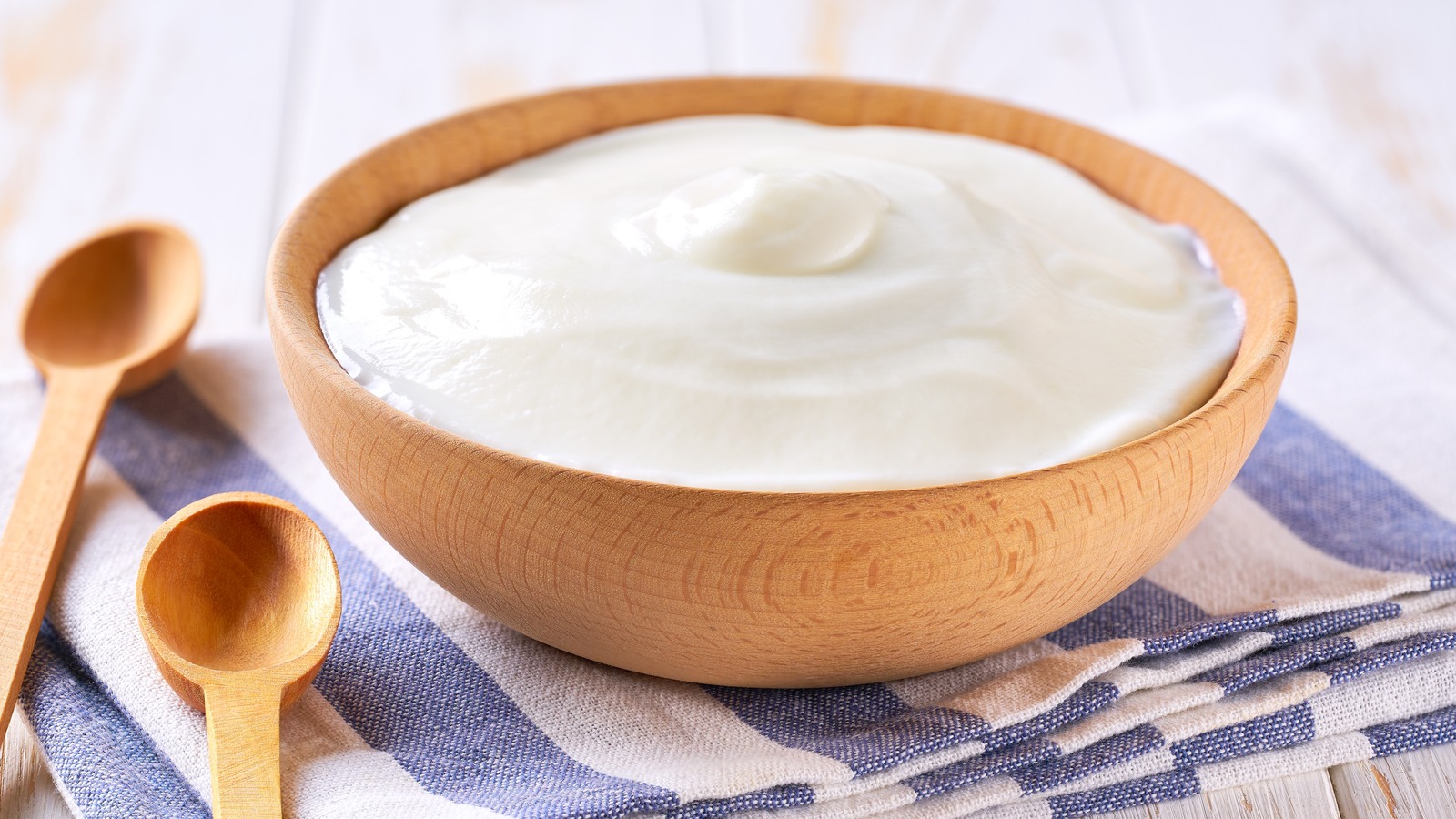
Yogurt
-
Applesauce
-
Mashed potatoes
-
Scrambled eggs
-
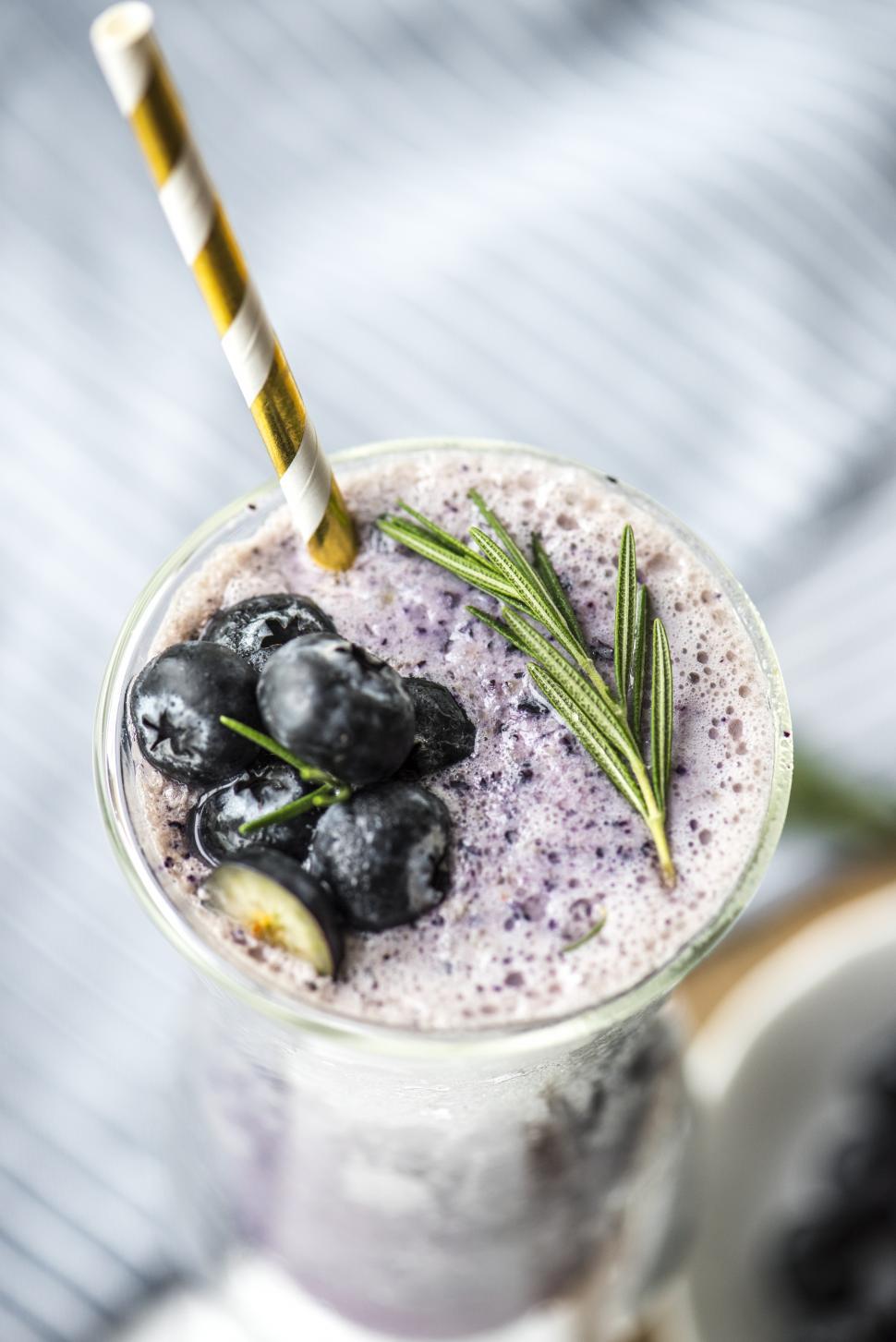
Smoothies (without a straw)
-
Oatmeal (warm, not hot)
-
Soft pasta
-
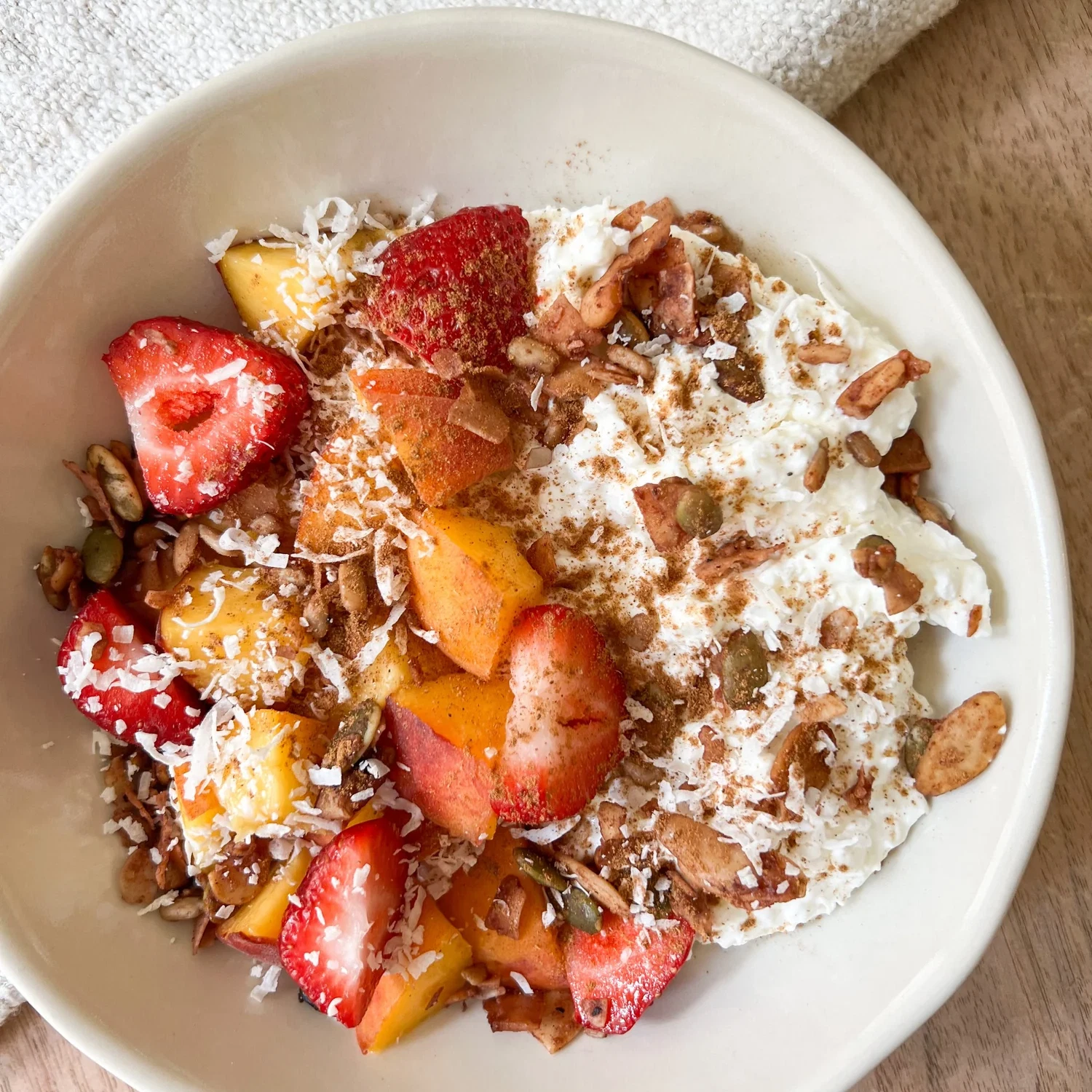
Cottage cheese
-
Soft fish
Avoid hard, crunchy, spicy, sticky, or very hot foods for at least 7–10 days.
What Can I Eat in the First 24 Hours After Oral Surgery?

During the first 24 hours, stick to liquids and very soft foods that require no chewing.
Best options:
-
Smoothies (no seeds, no straw)
-
Plain or Greek yogurt
-
Applesauce
-
Mashed potatoes
-
Lukewarm broth
-
Protein shakes (sip from a cup)
Do not use a straw. Suction can dislodge the blood clot and cause dry socket. Avoid hot foods or beverages during this time.
What Can I Eat 2–3 Days After Surgery?


As swelling improves, you can slowly introduce soft foods that require minimal chewing.
Safe choices include:
-
Soft scrambled eggs
-
Oatmeal (warm, not hot)
-
Cottage cheese
-
Soft pasta (mac and cheese)
-
Well-cooked rice
-
Soft pancakes
Chew slowly and avoid the surgical side.
What Foods Should You Avoid After Oral Surgery With Stitches?
Avoid foods that may irritate or damage the stitches.
- Chips, nuts, popcorn
- Hard bread or crusty rolls
- Raw vegetables
- Sticky candy or gum
- Spicy foods
- Acidic foods (citrus, tomato sauces)
- Carbonated drinks
- Alcohol
- Extremely hot beverages
Small particles like seeds or grains can get trapped in stitches and increase infection risk.
Does Food Temperature Matter After Oral Surgery?
Yes. Very hot foods and drinks can irritate gum tissue and delay healing.
Choose:
-
Cool or room-temperature foods during the first 24 hours
-
Warm (not piping hot) soups or beverages afterward
Let coffee, tea, or soup cool before consuming.
How Long Should You Eat Soft Foods After Oral Surgery?
Most patients need a soft food diet for 7–10 days, depending on:
-
Type of surgery
-
Number of stitches
-
Personal healing speed
-
Whether complications occur
Wisdom tooth removal and gum surgeries may require a longer soft-food period. Always follow your dentist’s specific aftercare instructions.
What Nutrients Help Healing After Oral Surgery?
Hydration is also essential. Drink plenty of water, but avoid alcohol and limit caffeine. To support recovery, include:
-
Protein (eggs, yogurt, fish) for tissue repair
-
Vitamin C (soft fruits, smoothies) for immune support
-
Zinc (soft meats, dairy) for wound healing
-
Iron if there was blood loss
When Should You Call Your Dentist?
Contact your dental provider if you notice:
-
Persistent bleeding
-
Severe pain after 2–3 days
-
Swelling that worsens
-
Pus or unusual discharge
-
Fever
At Smile Marysville, we encourage patients to reach out with any post-surgical concerns. Early evaluation prevents complications and ensures proper healing.
Final Thoughts
Knowing what to eat after oral surgery with stitches helps protect your surgical site and supports a faster recovery. Start with liquids and soft foods, avoid irritating ingredients, maintain hydration, and follow professional guidance.
If you recently had oral surgery or need personalized recovery advice, the team at Smile Marysville is here to support your healing every step of the way.