Temporomandibular Disorder (TMD), often referred to as TMJ disorder, affects the temporomandibular joint that connects your jaw to your skull. For many people, TMD can cause chronic jaw pain, headaches, facial discomfort, clicking sounds, difficulty chewing, and even neck and shoulder pain. While treatment from an experienced dentist can help relieve symptoms, many patients don’t realize that their everyday habits may actually be making their condition worse.
At Smile Marysville, we frequently help patients who suffer from TMJ disorders and chronic jaw pain. In many cases, small daily behaviors contribute to increased stress on the jaw joint and surrounding muscles. Understanding these habits is an important step toward finding relief and preventing long-term complications.
What Is TMD?
Temporomandibular Disorder (TMD) refers to a group of conditions affecting the jaw joint, jaw muscles, and surrounding tissues. The temporomandibular joint (TMJ) is one of the most frequently used joints in the body, allowing you to speak, chew, yawn, and move your jaw comfortably.
When this joint becomes inflamed, strained, or misaligned, it can lead to symptoms such as:
- Jaw pain or tenderness
- Clicking or popping sounds
- Difficulty opening or closing the mouth
- Frequent headaches
- Ear pain or ringing in the ears
- Facial pain
- Neck and shoulder discomfort
- Jaw locking
If left untreated, TMJ disorder symptoms can worsen over time and interfere with daily activities.
Teeth Grinding and Clenching
One of the most common habits that worsen TMD symptoms is teeth grinding, also known as bruxism. Many people grind or clench their teeth while sleeping without realizing it.
Excessive pressure on the jaw muscles and joints can lead to:
- Increased jaw pain
- Muscle fatigue
- Worn-down teeth
- Morning headaches
- Joint inflammation
Stress is often a major trigger for teeth grinding. If you frequently wake up with jaw soreness or headaches, it may be time to consult a dentist in Marysville about possible TMJ treatment options.
Chewing Gum Too Often
While chewing gum may seem harmless, repetitive chewing can overwork the jaw muscles and aggravate existing TMJ symptoms.
Constant chewing forces the temporomandibular joint to perform repetitive movements for extended periods, which may increase inflammation and discomfort.
Patients with TMD should limit gum chewing and allow the jaw muscles time to rest and recover.
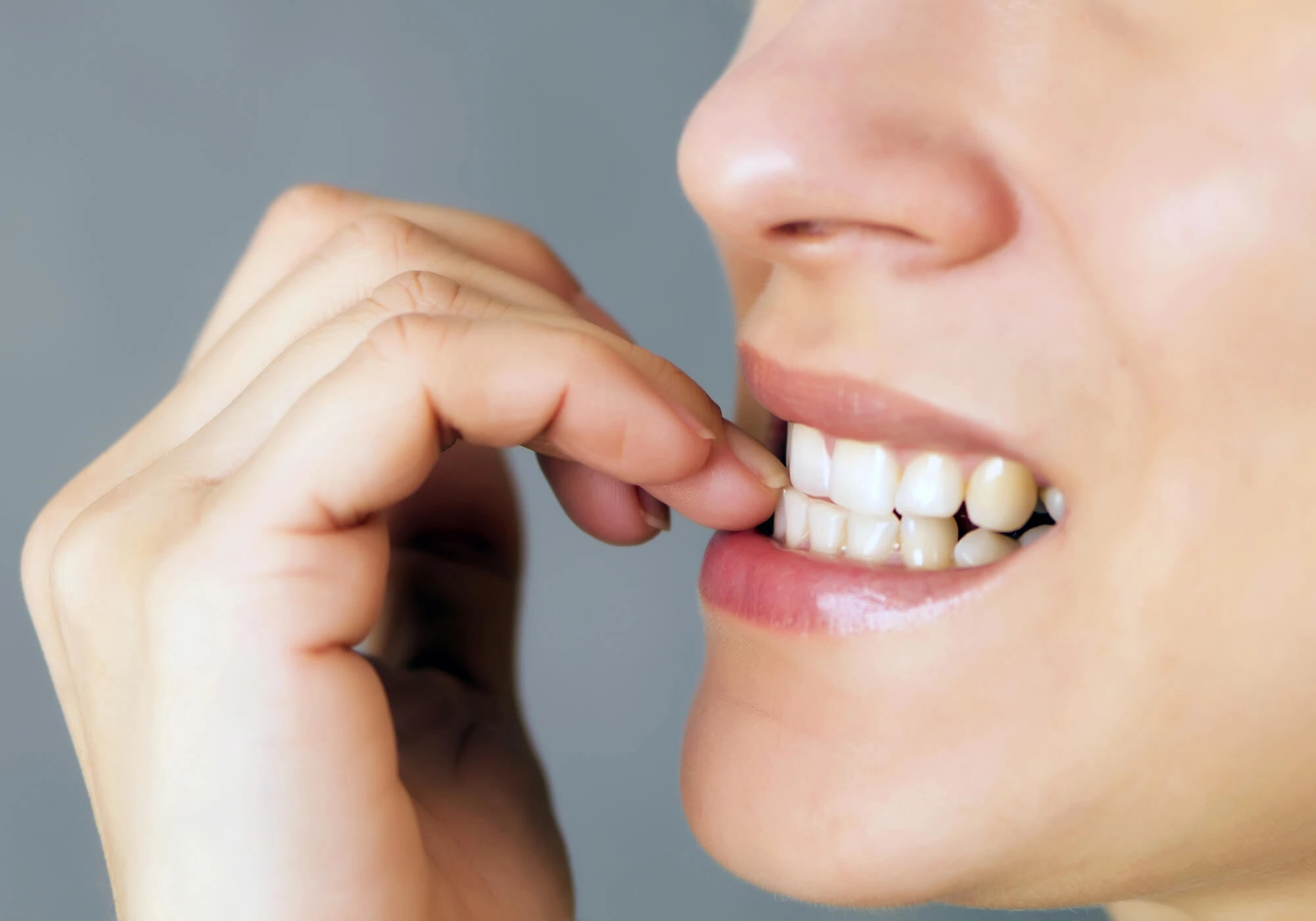
Nail Biting
Nail biting places unusual stress on the jaw and temporomandibular joint. The awkward jaw positioning required during this habit can strain the muscles and worsen jaw pain.
In addition to contributing to TMJ discomfort, nail biting can also:
- Damage teeth
- Cause tooth chipping
- Increase the risk of oral infections
- Affect jaw alignment
Breaking this habit can significantly reduce unnecessary pressure on the jaw.
Poor Posture Throughout the Day
Many people spend hours looking down at phones, tablets, or computers. Poor posture, particularly forward head posture, can place additional strain on the muscles supporting the jaw.
When the neck and shoulders are misaligned, the jaw muscles often compensate, leading to:
- Increased muscle tension
- Jaw pain
- Neck pain
- Headaches
- Worsening TMJ symptoms
Maintaining proper posture while sitting, working, and using electronic devices can help reduce stress on the jaw joint.
Sleeping on Your Stomach
Your sleeping position may be affecting your TMJ disorder more than you realize.
Sleeping on your stomach often forces your neck and jaw into unnatural positions for several hours each night. This can place excessive pressure on the temporomandibular joint and surrounding muscles.
Many dentists recommend sleeping on your back or side with proper neck support to reduce jaw strain and improve comfort.
Chewing on Ice, Pens, or Other Objects
Many people unconsciously chew on ice cubes, pens, pencils, or other objects throughout the day. These habits place significant stress on the jaw joint and teeth.
Chewing hard objects can:
- Aggravate jaw pain
- Damage teeth
- Increase muscle tension
- Worsen existing TMJ disorders
Avoiding these habits can help protect both your jaw and your oral health.
Eating Hard or Chewy Foods
Certain foods require excessive jaw movement and forceful chewing, which can irritate an already sensitive TMJ.
Examples include:
- Hard candies
- Tough meats
- Bagels
- Nuts
- Chewy candy
- Ice
Patients experiencing TMJ pain may benefit from choosing softer foods during flare-ups to allow the joint to rest.
Resting Your Chin in Your Hand
Although it may seem harmless, resting your chin in your hand places uneven pressure on the jaw joint.
Over time, this habit can contribute to:
- Jaw muscle imbalance
- Joint irritation
- Increased discomfort
- Poor jaw positioning
Being mindful of your posture and avoiding unnecessary pressure on the jaw can help minimize symptoms.
Stress and Anxiety
Stress is one of the leading contributors to TMJ disorders. When people are stressed, they often tighten their jaw muscles without realizing it.
This constant tension can lead to:
- Jaw soreness
- Teeth grinding
- Muscle fatigue
- Increased headaches
- More severe TMD symptoms
Managing stress through exercise, meditation, deep breathing, and adequate sleep can help reduce jaw tension and improve overall well-being.
Ignoring Early TMJ Symptoms
One of the most damaging habits is simply ignoring the warning signs of TMJ disorder.
Many patients delay seeking treatment when symptoms first appear. Unfortunately, untreated TMD can progress and become more difficult to manage.
Early intervention by a qualified dentist can help identify the underlying cause and prevent further damage to the jaw joint.
When Should You See a Dentist for TMD?
If you experience persistent jaw pain, headaches, jaw clicking, difficulty chewing, or limited jaw movement, it may be time to schedule an evaluation.
A dentist can assess your jaw function, identify contributing factors, and recommend personalized treatment options that may include:
- Custom night guards
- Bite adjustment therapy
- Lifestyle modifications
- Stress management recommendations
- TMJ treatment solutions
Early diagnosis often leads to more effective symptom relief and improved quality of life.
Get TMJ Relief at Smile Marysville
Living with chronic jaw pain can affect your ability to eat, speak, and enjoy daily activities. The good news is that many TMD symptoms can be managed successfully with professional care and healthy lifestyle changes.
At Smile Marysville, our team is committed to helping patients find lasting relief from TMJ disorders and jaw pain. Whether you’re experiencing occasional discomfort or ongoing symptoms, we can evaluate your condition and recommend treatment options tailored to your needs.
If you’re searching for a trusted dentist in Marysville for TMJ treatment, contact Smile Marysville today to schedule an appointment and take the first step toward a healthier, more comfortable smile.
Frequently Asked Questions
Can stress make TMJ symptoms worse?
Yes. Stress often causes jaw clenching and teeth grinding, which place additional pressure on the temporomandibular joint and can worsen TMJ symptoms.
Is chewing gum bad for TMJ?
For many people with TMD, excessive gum chewing can increase muscle fatigue and aggravate jaw pain.
Can a dentist help with TMJ disorders?
Yes. A dentist can diagnose TMJ disorders, identify contributing factors, and recommend treatments such as night guards, bite adjustments, and lifestyle modifications.
What foods should I avoid with TMD?
Patients with TMJ pain should limit hard, chewy, or crunchy foods that require excessive jaw movement, especially during flare-ups.
When should I seek treatment for jaw pain?
If jaw pain lasts more than a few days, interferes with daily activities, or is accompanied by headaches, clicking sounds, or difficulty chewing, it’s best to schedule an evaluation with a dentist.