If you’ve ever rinsed with mouthwash expecting minty freshness, only to notice your breath smells worse later, you’re not alone. Many patients at Smile Marysville ask why this happens. As a dental provider focused on long-term oral health, we see this issue frequently, and the cause is usually linked to dryness, bacteria imbalance, or an underlying dental condition.
Understanding why your breath worsens after using mouthwash can help you fix the root cause instead of masking it.
The Role of Bacteria in Bad Breath
Bad breath (clinically known as halitosis) is primarily caused by bacteria in the mouth. These bacteria break down food particles and release volatile sulfur compounds (VSCs)—the chemicals responsible for unpleasant odors.
Your tongue, gums, and the spaces between teeth are common areas where odor-causing bacteria live. When mouthwash is used improperly—or when the wrong type is chosen—it can actually create conditions that make these bacteria thrive later.
1. Alcohol-Based Mouthwash Can Dry Out Your Mouth
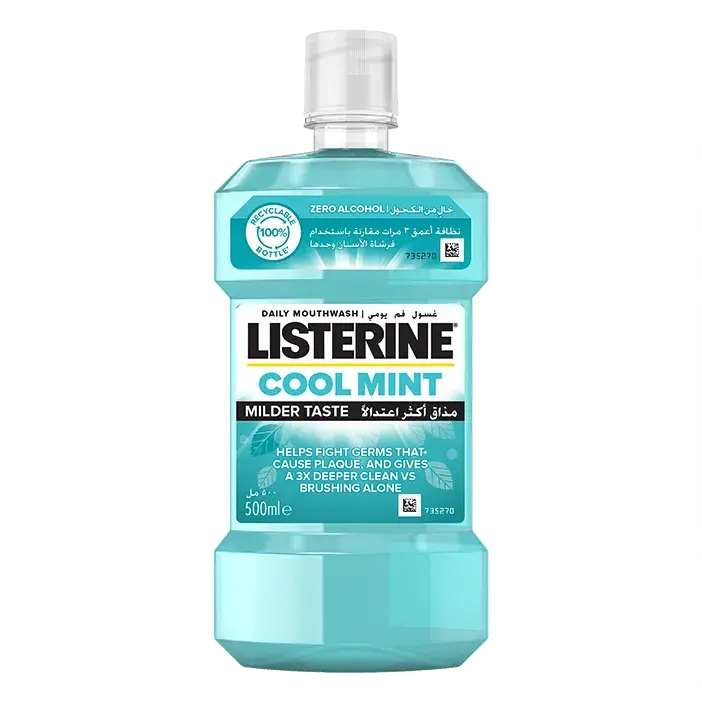
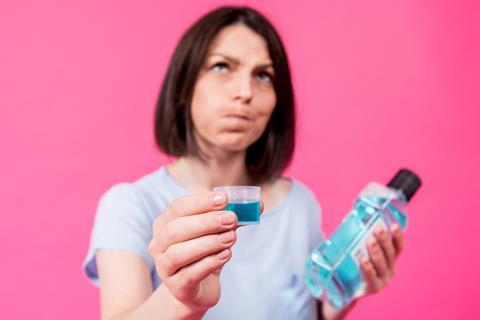
Many over-the-counter mouthwashes contain alcohol. While alcohol kills bacteria quickly, it also dries out the mouth.
Saliva plays a critical role in controlling odor because it:
-
Washes away food particles
-
Neutralizes acids
-
Maintains bacterial balance
When alcohol reduces saliva production, your mouth becomes dry—a condition known as xerostomia. Dry environments allow odor-producing bacteria to multiply faster. The result? Breath that smells worse once the mint flavor fades.
If your breath worsens shortly after rinsing, dry mouth is often the main reason.
2. Mouthwash May Mask, Not Treat, the Real Problem
Mouthwash can temporarily cover odors, but it does not remove:
-
Plaque buildup
-
Tartar deposits
-
Gum infection
-
Tooth decay
If you have gingivitis or periodontal disease, bacteria live beneath the gumline where mouthwash cannot fully reach. The rinse may provide short-term freshness, but the underlying infection continues producing odor.
Smile Marysville often see patients who rely heavily on mouthwash instead of professional cleanings. Once plaque and tartar are properly removed, breath improves significantly.
3. Bacterial Imbalance in the Mouth
Your mouth contains both good and bad bacteria. Some strong antiseptic mouthwashes kill bacteria indiscriminately. When beneficial bacteria are reduced, harmful bacteria can return and multiply more aggressively.
This imbalance may lead to:
-
Stronger sulfur odors
-
Changes in taste
-
Increased plaque formation
A healthy oral microbiome is essential for fresh breath. Overusing harsh mouthwashes can disrupt this balance.
4. Coated Tongue Is Often the Hidden Cause


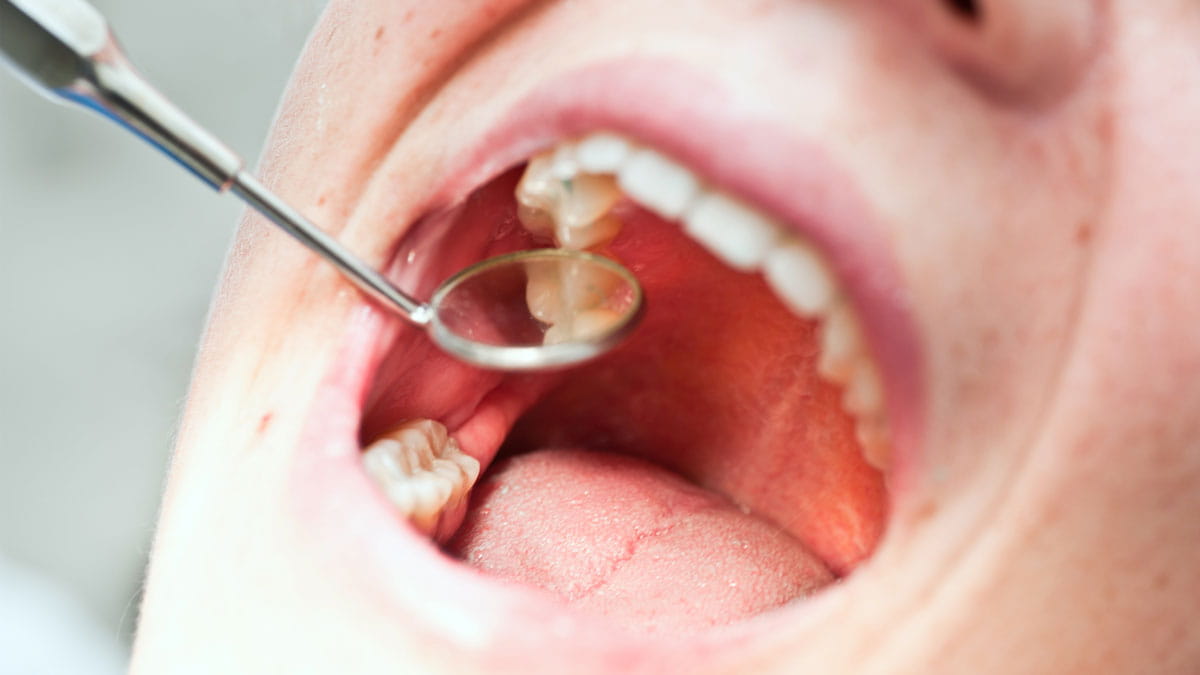
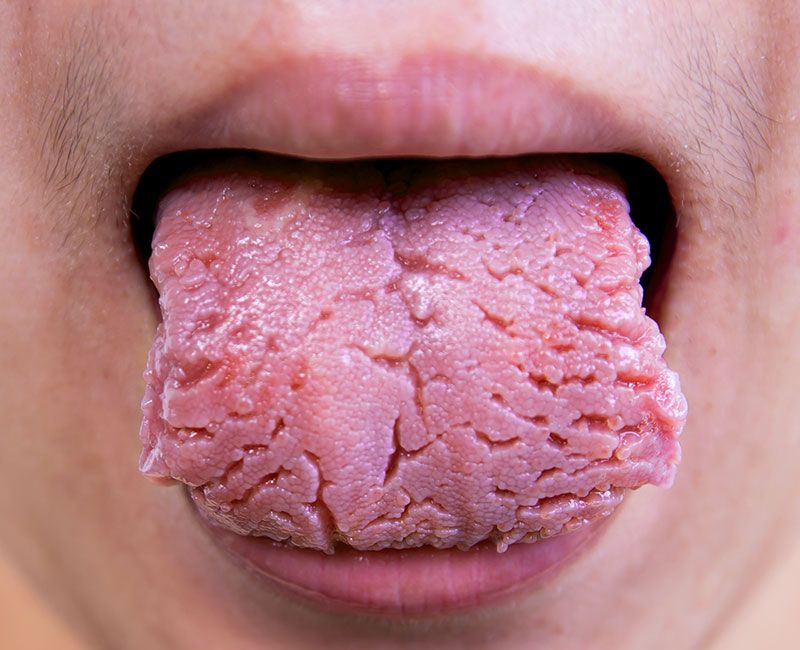
The tongue—especially the back portion—traps bacteria and debris. If you don’t clean your tongue daily, odor can persist even after using mouthwash.
Mouthwash alone often cannot remove thick tongue coating. That buildup continues producing sulfur compounds, which may seem stronger once the mint scent disappears.
Using a tongue scraper along with brushing can significantly reduce odor.
5. Underlying Dental Issues
Persistent bad breath after mouthwash may signal:
-
Gum disease
-
Cavities
-
Infected teeth
-
Poorly fitted dental restorations
-
Food trapped under crowns or bridges
These problems create spaces where bacteria grow. No rinse can solve structural or infection-related issues. If breath problems continue despite good hygiene, it’s important to schedule a dental evaluation.
6. Medical Causes That Mouthwash Cannot Fix
Sometimes bad breath originates beyond the mouth. Conditions that may contribute include:
-
Chronic sinus infections
-
Acid reflux (GERD)
-
Diabetes
-
Tonsil stones
-
Dry mouth caused by medications
In these cases, mouthwash may temporarily mask odor but won’t treat the underlying cause. A comprehensive dental exam can help determine whether the issue is oral or medical in nature.
7. You May Be Using Mouthwash Incorrectly
Improper use can reduce effectiveness. Mouthwash should complement brushing and flossing—not replace them. Common mistakes include:
-
Rinsing immediately after brushing (which can wash away fluoride from toothpaste)
-
Using too much product
-
Using it more than directed
-
Not brushing and flossing before rinsing
How to Prevent Worse Breath After Mouthwash
Here are practical solutions:
1. Choose Alcohol-Free Mouthwash
Look for alcohol-free formulas that maintain moisture.
2. Clean Your Tongue Daily
Use a tongue scraper or brush gently from back to front.
3. Stay Hydrated
Drink water regularly to maintain saliva flow.
4. Floss Every Day
Remove debris between teeth where odor-causing bacteria thrive.
5. Schedule Professional Cleanings
Regular dental visits remove tartar that home care cannot eliminate.
When to See a Dentist
If your breath:
-
Smells worse shortly after rinsing
-
Persists despite brushing and flossing
-
Is accompanied by bleeding gums
-
Includes a metallic or sour taste
It’s time for a professional evaluation.
At Smile Marysville, we treat the root cause of bad breath, not just the symptoms. Whether the issue is gum disease, decay, dry mouth, or another condition, identifying the underlying problem is the key to lasting freshness.
Final Thoughts
If your breath smells worse after using mouthwash, the problem usually isn’t the mint rinse itself, it’s what happens after. Alcohol-induced dryness, bacterial imbalance, tongue coating, or hidden dental conditions can all contribute.
Fresh breath starts with a healthy mouth. Mouthwash can be helpful, but it works best as part of a complete oral care routine that includes brushing, flossing, tongue cleaning, hydration, and regular dental checkups.
If you’re concerned about persistent bad breath, a professional dental exam can provide clarity and long-term solutions. At Smile Marysville, we’re committed to helping patients achieve healthy smiles, and confidently fresh breath.